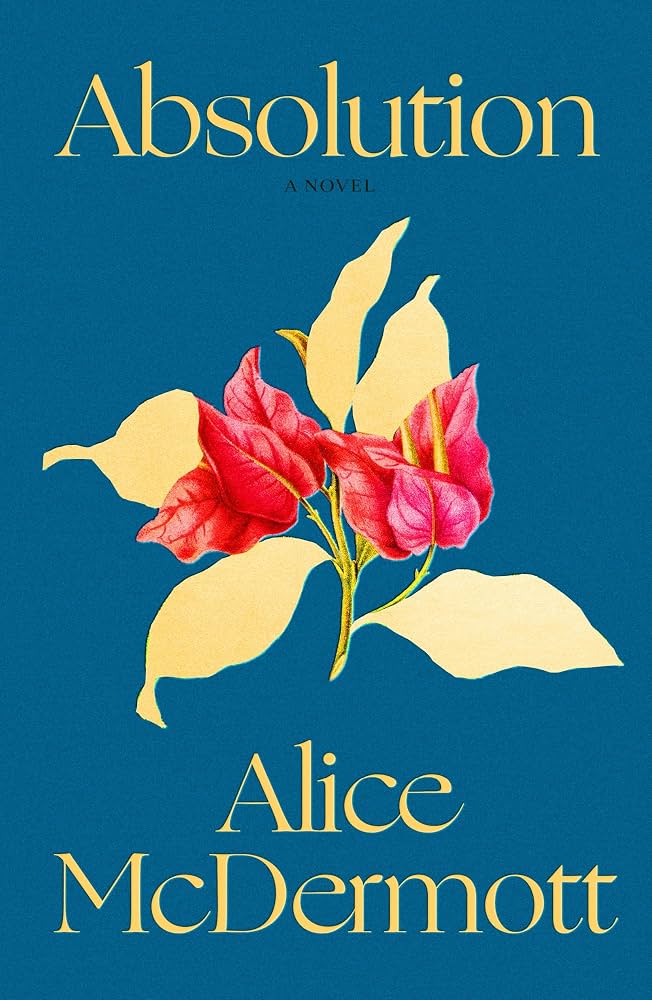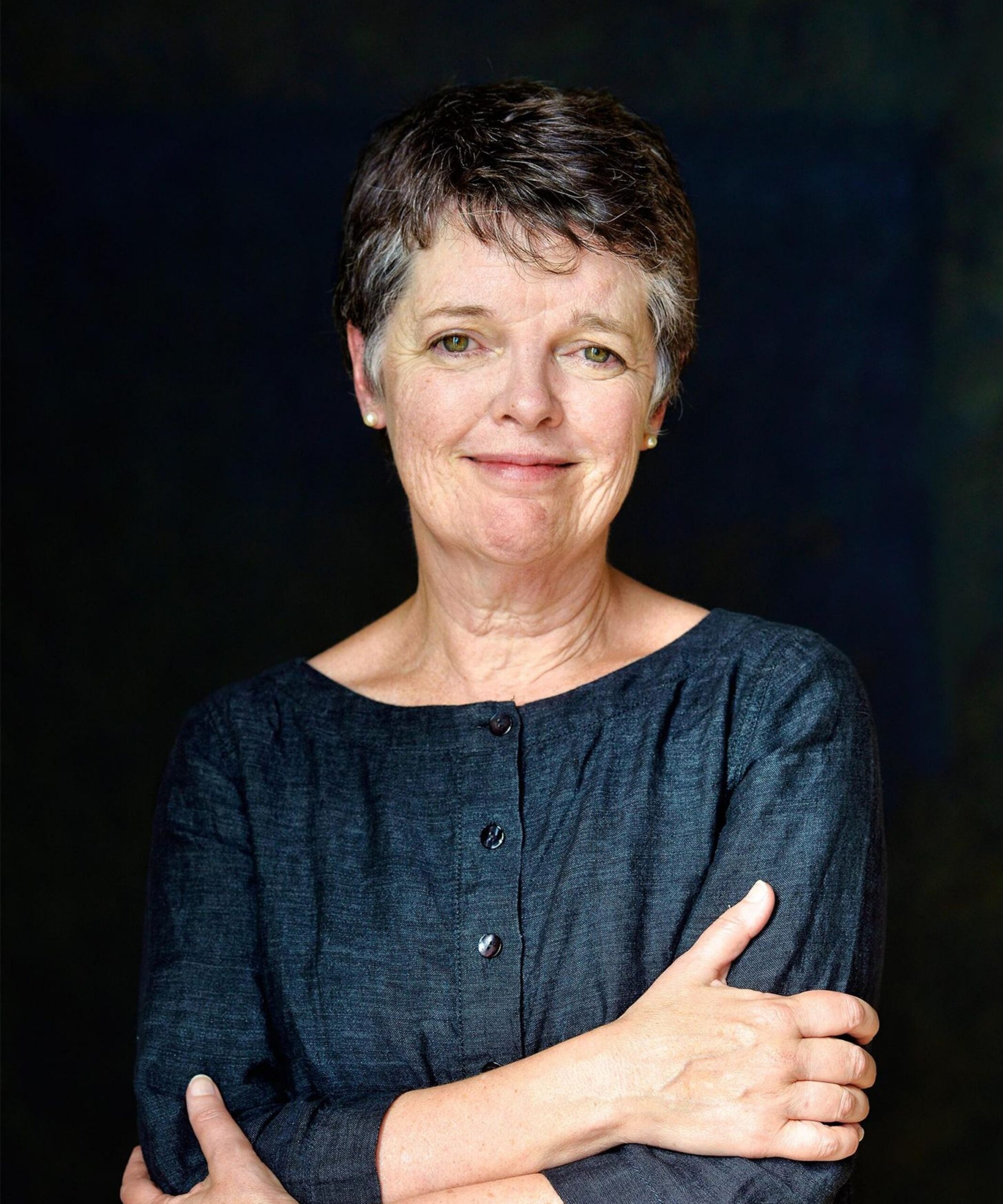
Our book group meets on the last Wednesday of the month at 1pm. This month’s title is “Absolution” by Alice McDermott.
AN INSTANT NEW YORK TIMES BESTSELLER
WINNER OF THE 2024 MARK TWAIN AMERICAN VOICE IN LITERATURE AWARD
Named a Best Book of the Year by Time, Esquire, Good Housekeeping, Kirkus Reviews, Los Angeles Times, NPR, Oprah Daily, Real Simple, and Vogue
A riveting account of women’s lives on the margins of the Vietnam War, from the renowned winner of the National Book Award.
American women―American wives―have been mostly minor characters in the literature of the Vietnam War, but in Absolution they take center stage. Tricia is a shy newlywed, married to a rising attorney on loan to navy intelligence. Charlene is a practiced corporate spouse and mother of three, a beauty and a bully. In Saigon in 1963, the two women form a wary alliance as they balance the era’s mandate to be “helpmeets” to their ambitious husbands with their own inchoate impulse to “do good” for the people of Vietnam.
Sixty years later, Charlene’s daughter, spurred by an encounter with an aging Vietnam vet, reaches out to Tricia. Together, they look back at their time in Saigon, taking wry account of that pivotal year and of Charlene’s altruistic machinations, and discovering how their own lives as women on the periphery―of politics, of history, of war, of their husbands’ convictions―have been shaped and burdened by the same sort of unintended consequences that followed America’s tragic interference in Southeast Asia.
A virtuosic new novel from Alice McDermott, one of our most observant, most affecting writers, about folly and grace, obligation, sacrifice, and, finally, the quest for absolution in a broken world.